Arcade Physics Group vs Group Collision
Demonstrates how to handle collisions between two separate Arcade Physics groups, including using a collision callback to modify the individual objects involved.
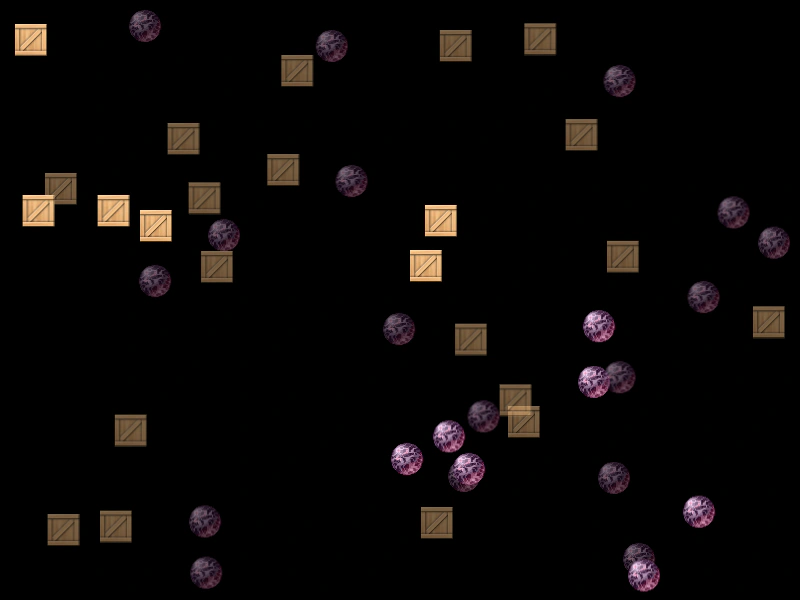
800 × 600
class Example extends Phaser.Scene
{
    preload ()
    {
        this.load.setBaseURL('https://cdn.phaserfiles.com/v410');
        this.load.image('ball', 'assets/sprites/shinyball.png');
        this.load.image('crate', 'assets/sprites/crate32.png');
    }

    create ()
    {
        //  Create a few balls

        const balls = this.physics.add.group({
            key: 'ball',
            quantity: 24,
            bounceX: 1,
            bounceY: 1,
            collideWorldBounds: true,
            velocityX: 300,
            velocityY: 150
        });

        //  Create a few crates

        const crates = this.physics.add.group({
            key: 'crate',
            quantity: 24,
            bounceX: 1,
            bounceY: 1,
            collideWorldBounds: true,
            velocityX: -150,
            velocityY: -300
        });

        Phaser.Actions.RandomRectangle(balls.getChildren(), this.physics.world.bounds);
        Phaser.Actions.RandomRectangle(crates.getChildren(), this.physics.world.bounds);

        this.physics.add.collider(
            balls,
            crates,
            (ball, crate) =>
            {
                ball.setAlpha(0.5);
                crate.setAlpha(0.5);
            });
    }
}

const config = {
    scale: { mode: Phaser.Scale.FIT },
    type: Phaser.AUTO,
    width: 800,
    height: 600,
    parent: 'game-container',
    physics: {
        default: 'arcade',
        arcade: {
            debug: false
        }
    },
    scene: Example
};

const game = new Phaser.Game(config);
More in Arcade132 examples
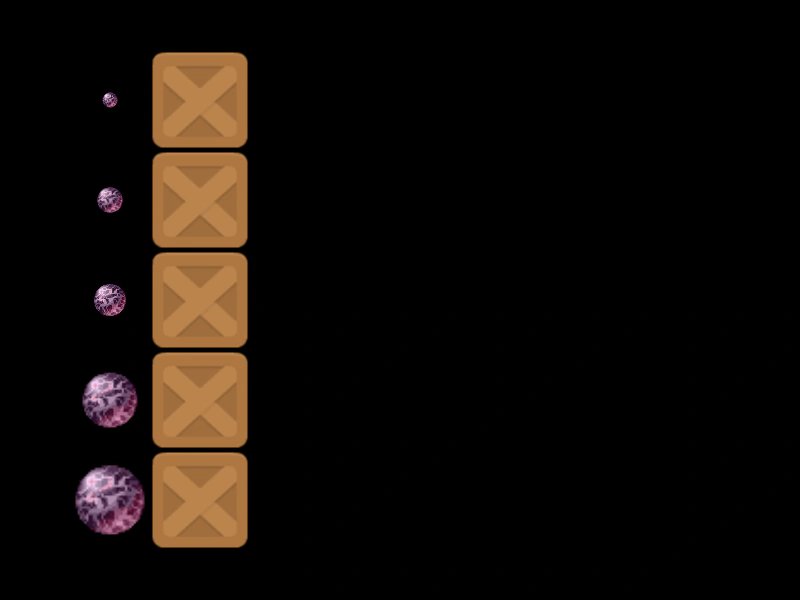 Arcade Physics MassDemonstrates how setting different mass values on Arcade Physics bodies affects the outcome of collisions and momentum transfer.
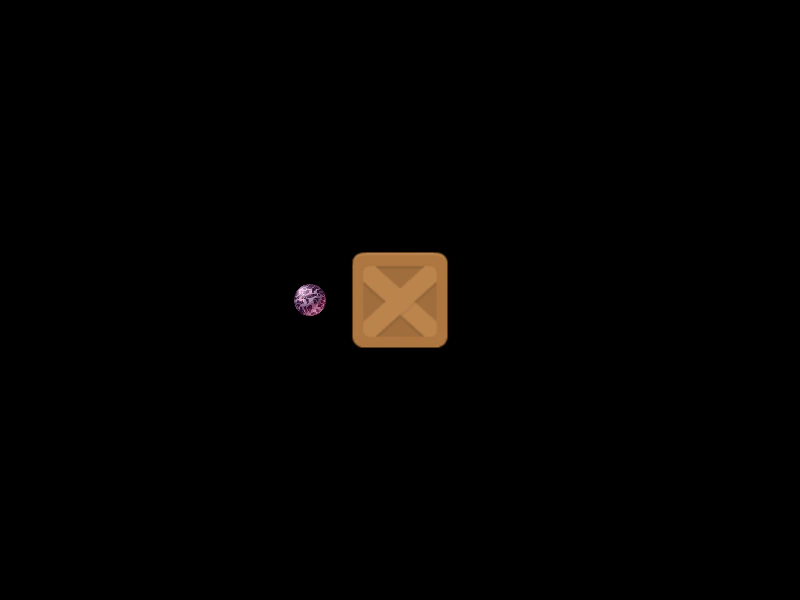 Arcade Physics Mass CollisionA demonstration of how setting a specific mass on an Arcade Physics body influences velocity transfer and movement during a collision.
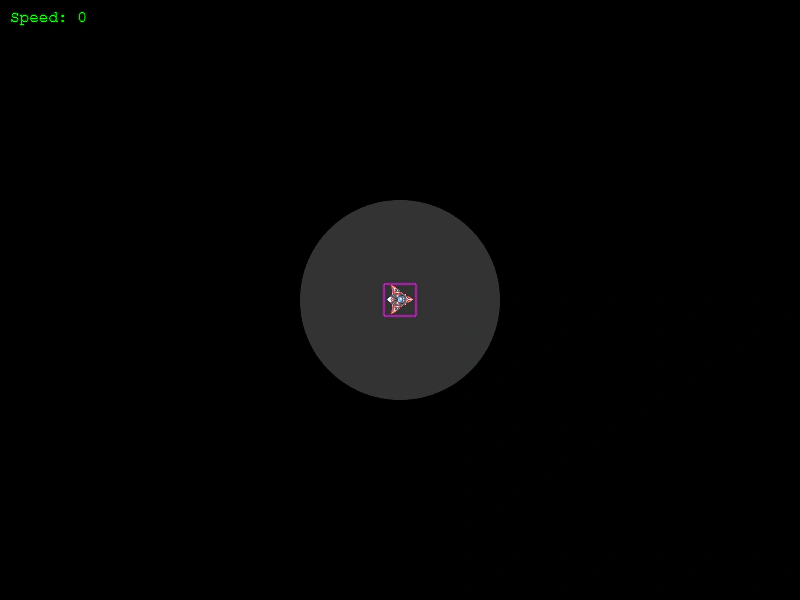 Arcade Physics Max SpeedDemonstrates how to cap the velocity of a physics body using setMaxSpeed, ensuring it never exceeds a specific value regardless of acceleration applied.
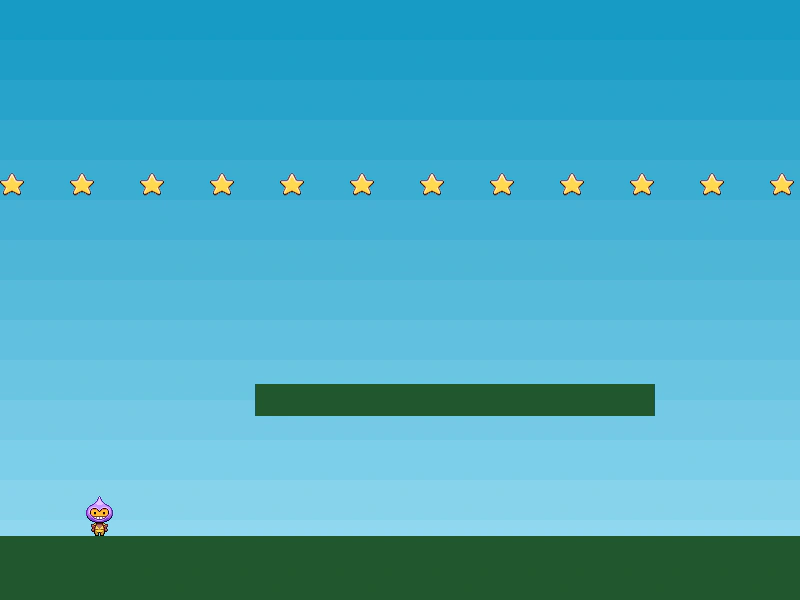 Arcade Physics Moving PlatformA demonstration of a player character interacting with static groups and a moving platform. Shows how to set up an immovable body with velocity and gravity disabled to create moving terrain.