Scene Transition Basics
Learn how to use scene transitions to move between Scenes. This example demonstrates passing data, using transition update callbacks for custom animations, and handling transition events.
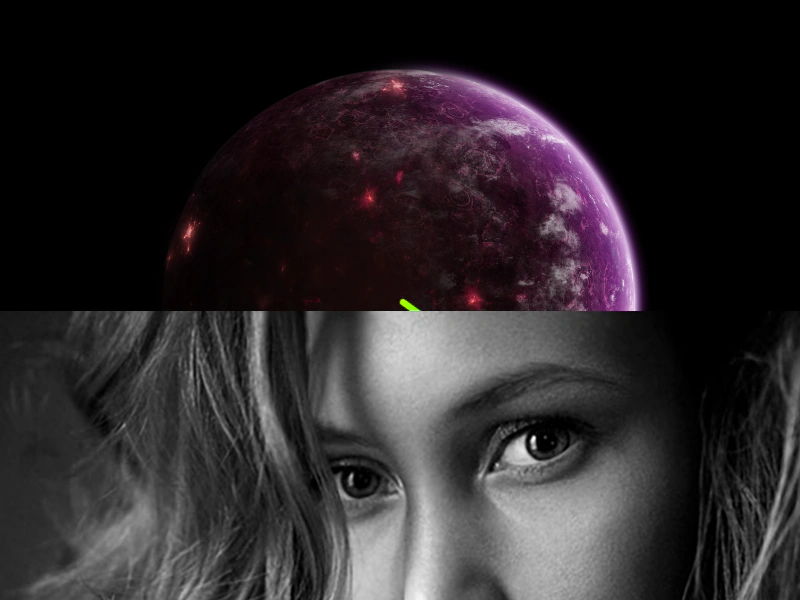
800 × 600
class SceneA extends Phaser.Scene
{
    constructor ()
    {
        super({ key: 'sceneA' });

        this.face;
    }

    preload ()
    {
        this.load.setBaseURL('https://cdn.phaserfiles.com/v410');
        this.load.image('face', 'assets/pics/bw-face.png');
    }

    create ()
    {
        this.face = this.add.image(0, 0, 'face').setOrigin(0);

        this.input.once('pointerdown', function ()
        {

            this.scene.transition({
                target: 'sceneB',
                duration: 2000,
                moveBelow: true,
                onUpdate: this.transitionOut,
                data: { x: 400, y: 300 }
            });

        }, this);
    }

    transitionOut (progress)
    {
        this.face.y = (600 * progress);
    }
}

class SceneB extends Phaser.Scene
{
    constructor ()
    {
        super({ key: 'sceneB' });
    }

    preload ()
    {
        this.load.setBaseURL('https://cdn.phaserfiles.com/v410');
        this.load.image('arrow', 'assets/sprites/longarrow.png');
        this.load.image('planet', 'assets/tests/space/purple-planet.png');
    }

    create (data)
    {
        const planet = this.add.image(data.x, data.y, 'planet').setScale(0);

        this.events.on('transitionstart', function (fromScene, duration)
        {

            this.tweens.add({
                targets: planet,
                scaleX: 1,
                scaleY: 1,
                duration: duration
            });

        }, this);

        this.events.on('transitioncomplete', () => { console.log('Complete'); });

        this.events.on('transitionout', function (toScene, duration)
        {

            this.tweens.add({
                targets: planet,
                scaleX: 0,
                scaleY: 0,
                duration: duration
            });

        }, this);

        this.arrow = this.add.sprite(400, 300, 'arrow').setOrigin(0, 0.5);

        this.input.once('pointerdown', function (event)
        {

            this.scene.transition({
                target: 'sceneC',
                duration: 3000
            });

        }, this);
    }

    update (time, delta)
    {
        this.arrow.rotation += 0.01;
    }
}

class SceneC extends Phaser.Scene
{
    constructor ()
    {
        super({ key: 'sceneC' });
    }

    preload ()
    {
        this.load.setBaseURL('https://cdn.phaserfiles.com/v410');
        this.load.image('mech', 'assets/pics/titan-mech.png');
    }

    create ()
    {
        this.add.sprite(Phaser.Math.Between(0, 800), 300, 'mech');

        this.input.once('pointerdown', function (event)
        {

            this.scene.start('sceneA');

        }, this);
    }
}

const config = {
    scale: { mode: Phaser.Scale.FIT },
    type: Phaser.AUTO,
    width: 800,
    height: 600,
    backgroundColor: '#000000',
    parent: 'game-container',
    scene: [ SceneA, SceneB, SceneC ]
};

const game = new Phaser.Game(config);
More in Scenes52 examples
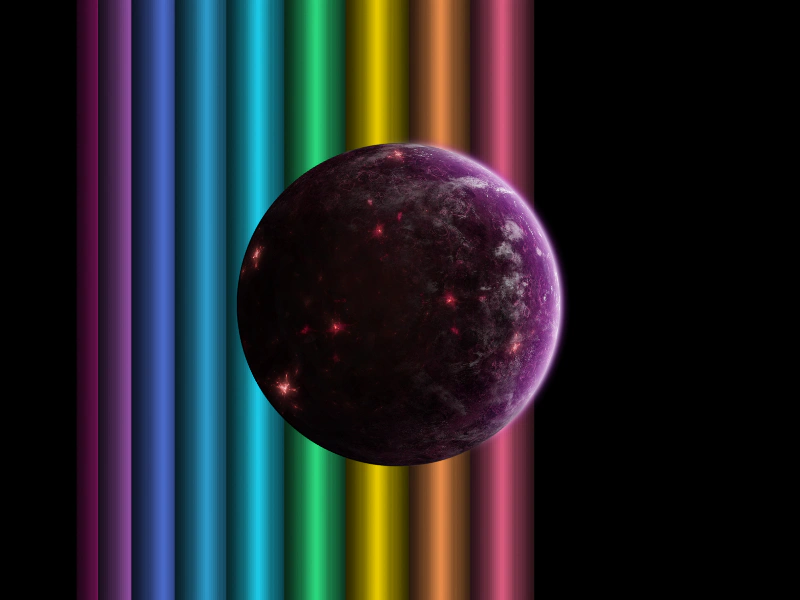 Scene Transitions with Layering and EventsDemonstrates switching between scenes using the transition method, featuring scene layering control (moveAbove/moveBehind), event-driven animations (transitionstart, transitionout), and synchronizing object movement via transition progress callbacks.
 Send Scene to BackDemonstrates how to move a specific Scene to the bottom of the display list, causing it to render behind all other active Scenes.
 Sleep and Wake ScenesDemonstrates how to switch between scenes using scene.switch(), which puts a scene to sleep and wakes another, preserving its state and using the WAKE event to re-enable input.
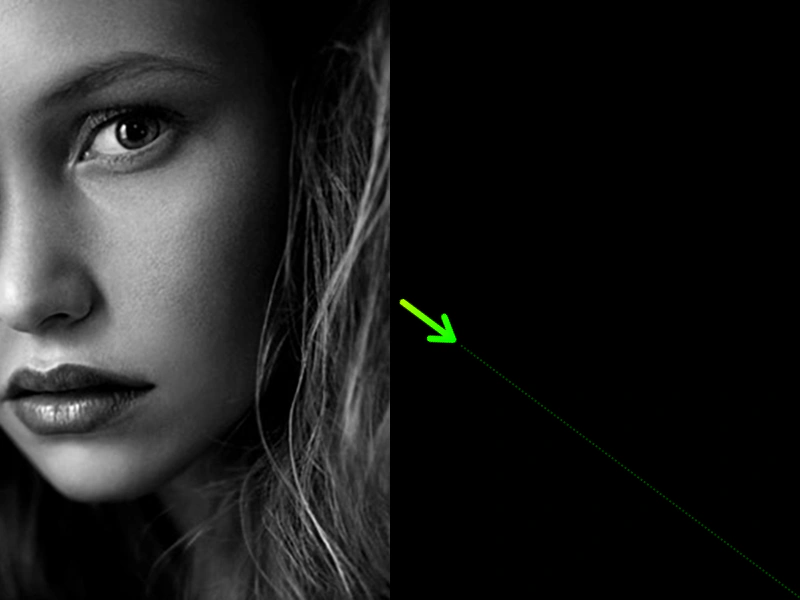 Swap Scene Render OrderDemonstrates how to use the scene.swapPosition method to change the display depth of two active scenes, effectively moving one in front of the other.