Rotation and Origin
Demonstrates how changing the origin of a Game Object affects its pivot point when rotating.
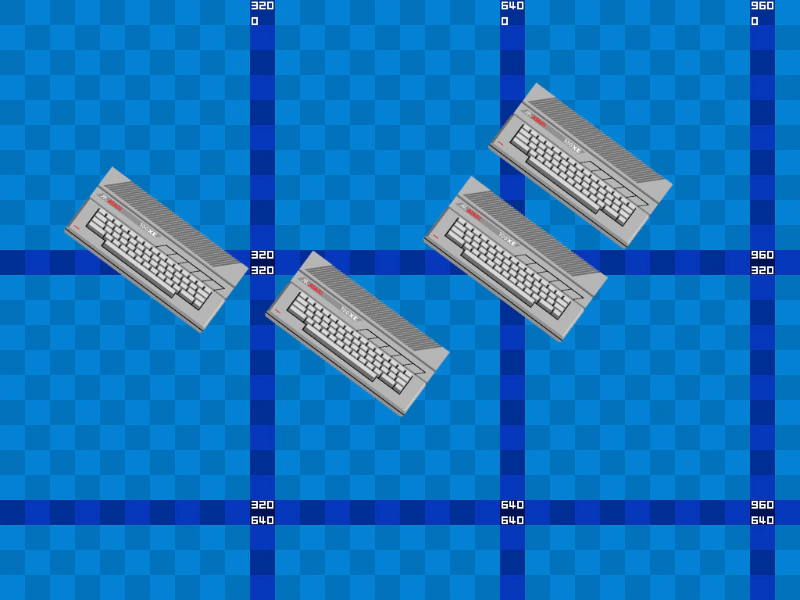
1024 × 768
class Example extends Phaser.Scene
{
    image4;
    image3;
    image2;
    image1;

    preload ()
    {
        this.load.setBaseURL('https://cdn.phaserfiles.com/v410');
        this.load.image('grid', 'assets/pics/debug-grid-1920x1920.png');
        this.load.image('atari', 'assets/sprites/atari130xe.png');
    }

    create ()
    {
        this.add.image(0, 0, 'grid').setOrigin(0);

        this.image1 = this.add.image(200, 320, 'atari'); // default origin is 0.5 = the center
        this.image2 = this.add.image(400, 320, 'atari').setOrigin(0);
        this.image3 = this.add.image(600, 320, 'atari').setOrigin(0.25, 0.75);
        this.image4 = this.add.image(800, 320, 'atari').setOrigin(1);
    }

    update ()
    {
        this.image1.rotation += 0.01;
        this.image2.rotation += 0.01;
        this.image3.rotation += 0.01;
        this.image4.rotation += 0.01;
    }
}

const config = {
    scale: { mode: Phaser.Scale.FIT },
    type: Phaser.AUTO,
    parent: 'game-container',
    scene: Example
};

const game = new Phaser.Game(config);
More in Transform13 examples
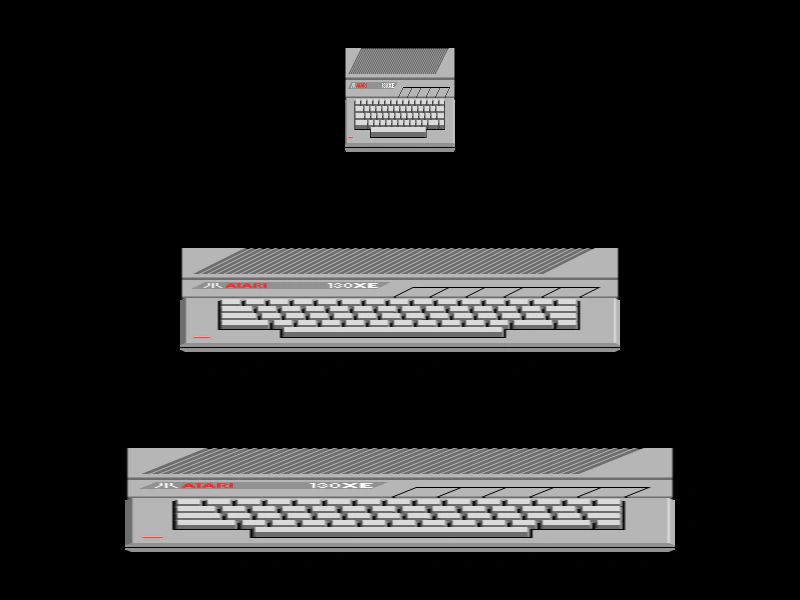 Scale XDemonstrates how to adjust the horizontal scale of a Game Object using the setScale method and the scaleX property.
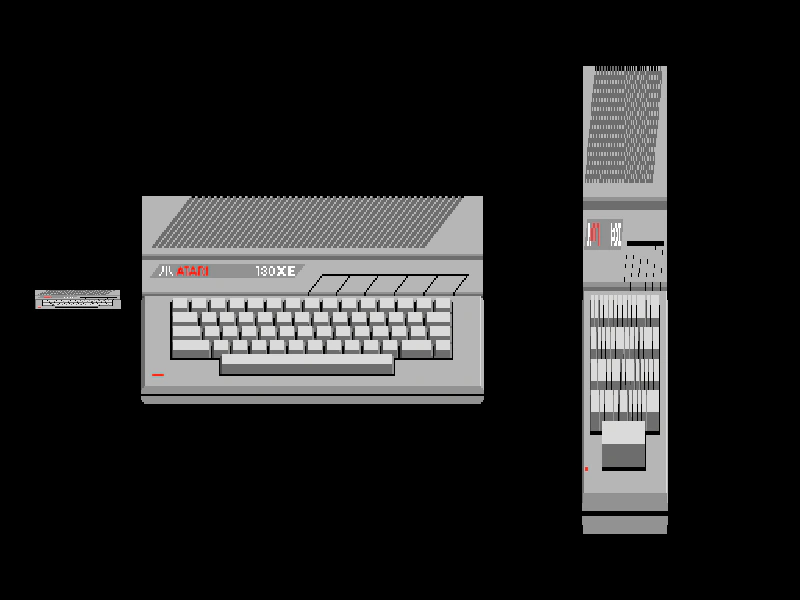 Scale XYDemonstrates how to set the scale of a Game Object using the setScale method for uniform or independent scaling, and by directly modifying the scaleX and scaleY properties.
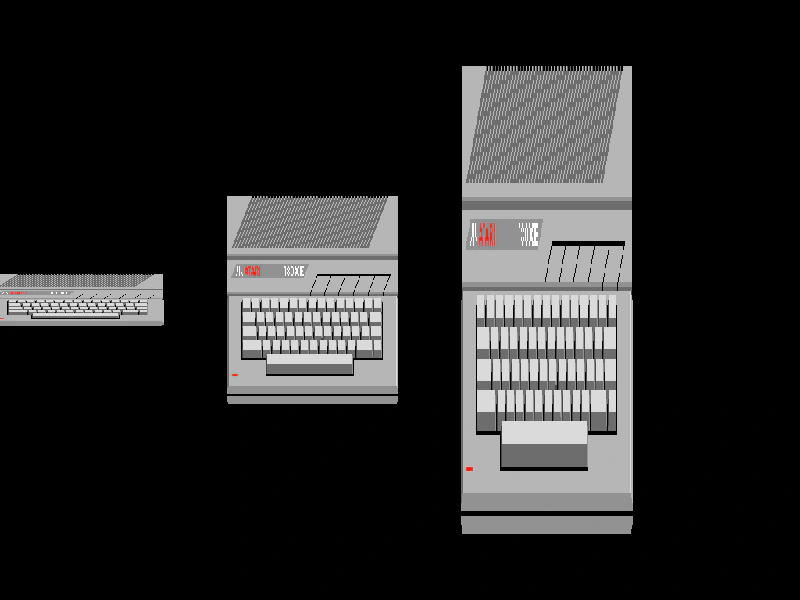 Scale YDemonstrates how to adjust the vertical scale of an image using the setScale method and the scaleY property.
 Sprite Origin X and YDemonstrates how setting the origin (or anchor point) of an image affects its positioning relative to its coordinates.