Hash Simplex Noise Points
Demonstrates using the HashSimplex math function to generate organic, fluid motion and color transitions for a grid of Game Objects.
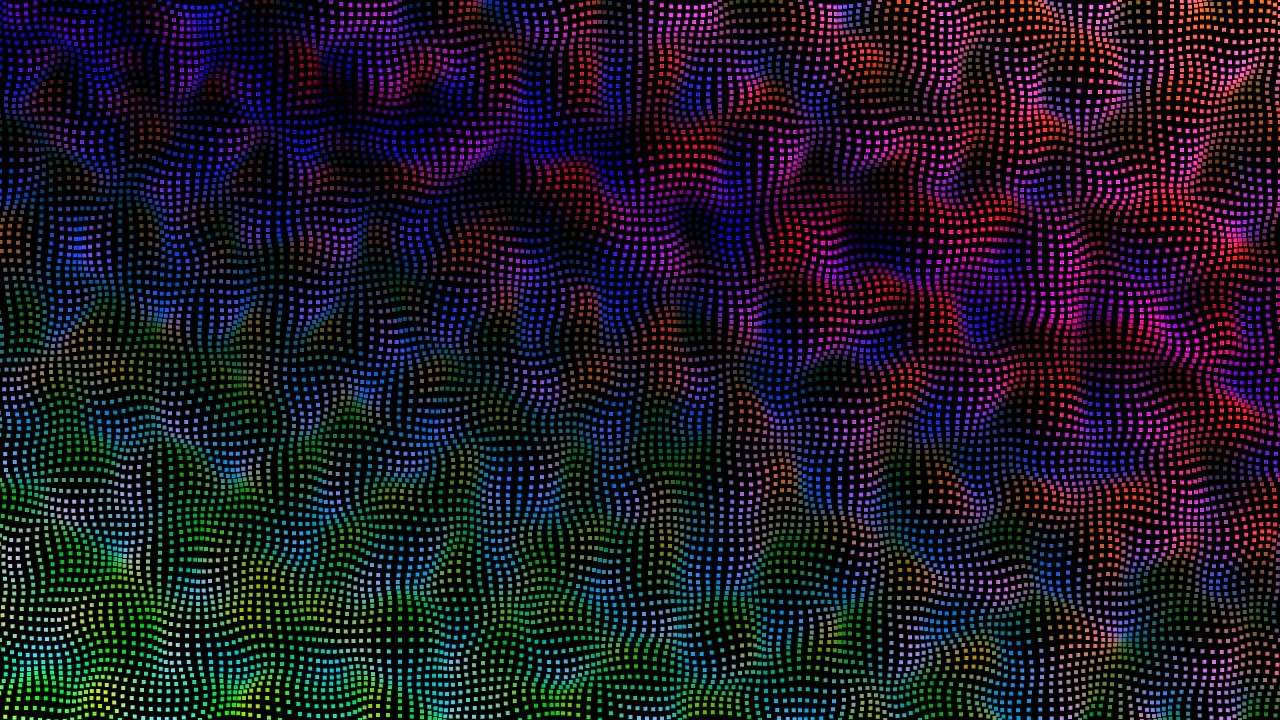
1280 × 720
class Example extends Phaser.Scene
{
    color = new Phaser.Display.Color();
    noiseConfigX = {
        noiseCells: [ 16, 9, 4 ],
        noiseSeed: [ 2, 3, 4 ]
    };
    noiseConfigY = { ...this.noiseConfigX, noiseSeed: [ 5, 6, 7 ] };
    rectangles = [];

    create()
    {
        const { width, height } = this.scale;

        // Increase step to 16 or 32 to decrease count if performance is unacceptable.
        const step = 8;

        for (let y = 0; y <= height; y += step)
        {
            for (let x = 0; x <= width; x += step)
            {
                const vector = [ x / width, y / height ];
                const rectangle = this.add.rectangle(x, y, 4, 4, 0xff0000);
                rectangle.baseVector = [ x, y ];
                rectangle.noiseVector = vector;
                this.rectangles.push(rectangle);
            }
        }
    }

    update(time)
    {
        // Update pre-existing configs,
        // because creating many objects is expensive.
        this.noiseConfigX.noiseFlow = time / 1000;
        this.noiseConfigY.noiseFlow = time / 1000;
        const noiseConfigX = this.noiseConfigX;
        const noiseConfigY = this.noiseConfigY;
        const color = this.color;

        const { width, height } = this.scale;

        for (const rectangle of this.rectangles)
        {
            const vector = rectangle.noiseVector;
            const hashX = Phaser.Math.HashSimplex(vector, noiseConfigX);
            const hashY = Phaser.Math.HashSimplex(vector, noiseConfigY);

            rectangle.x = rectangle.baseVector[0] + hashX * 8;
            rectangle.y = rectangle.baseVector[1] + hashY * 8;

            color.setGLTo(
                hashX / 2 + (rectangle.baseVector[0] / width) - (rectangle.baseVector[1] / height / 2),
                (rectangle.baseVector[1] / height) - (rectangle.baseVector[0] / width / 2),
                0.5 + hashY / 2
            );
            rectangle.setFillStyle(color.color);
        }
    }
}

const config = {
    scale: { mode: Phaser.Scale.FIT },
    type: Phaser.WEBGL,
    parent: 'game-container',
    width: 1280,
    height: 720,
    scene: Example
};

const game = new Phaser.Game(config);
More in Hash Simplex3 examples
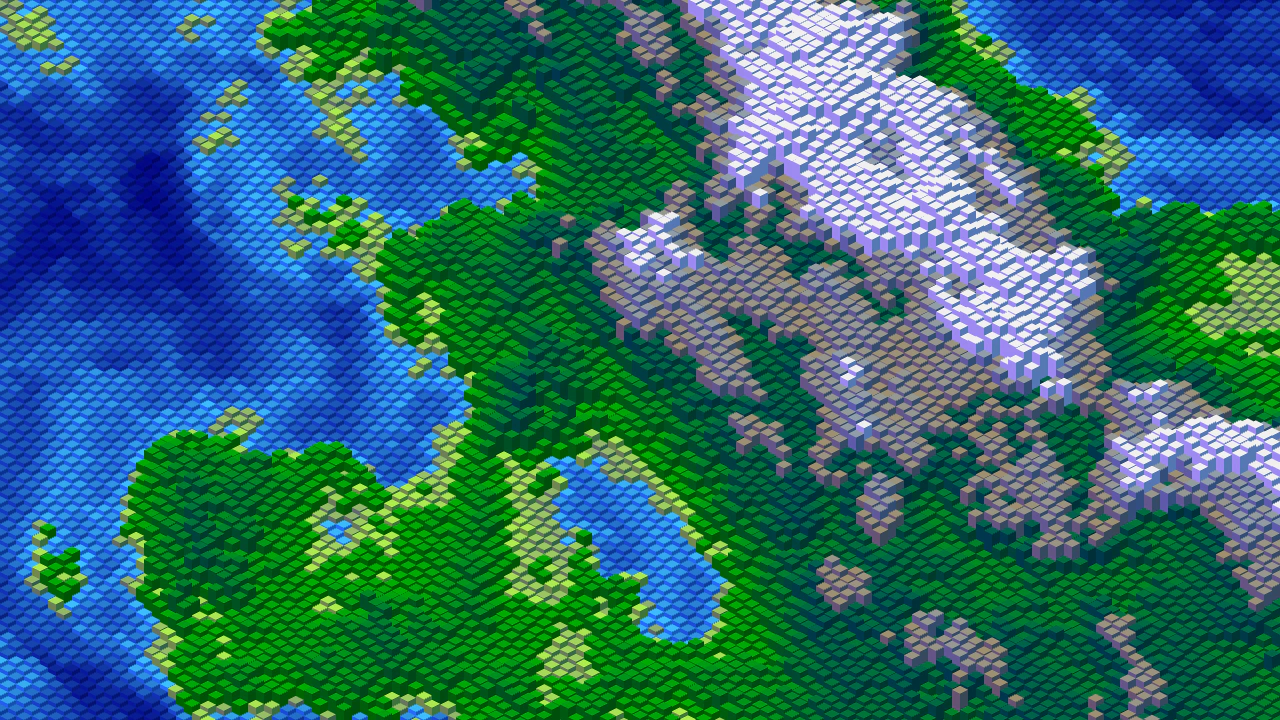 Procedural Isometric LandscapeDemonstrates creating a scrolling procedurally generated terrain using Hash Simplex noise, mapping height values to biomes with ColorRamps and dynamic IsoBox styling.
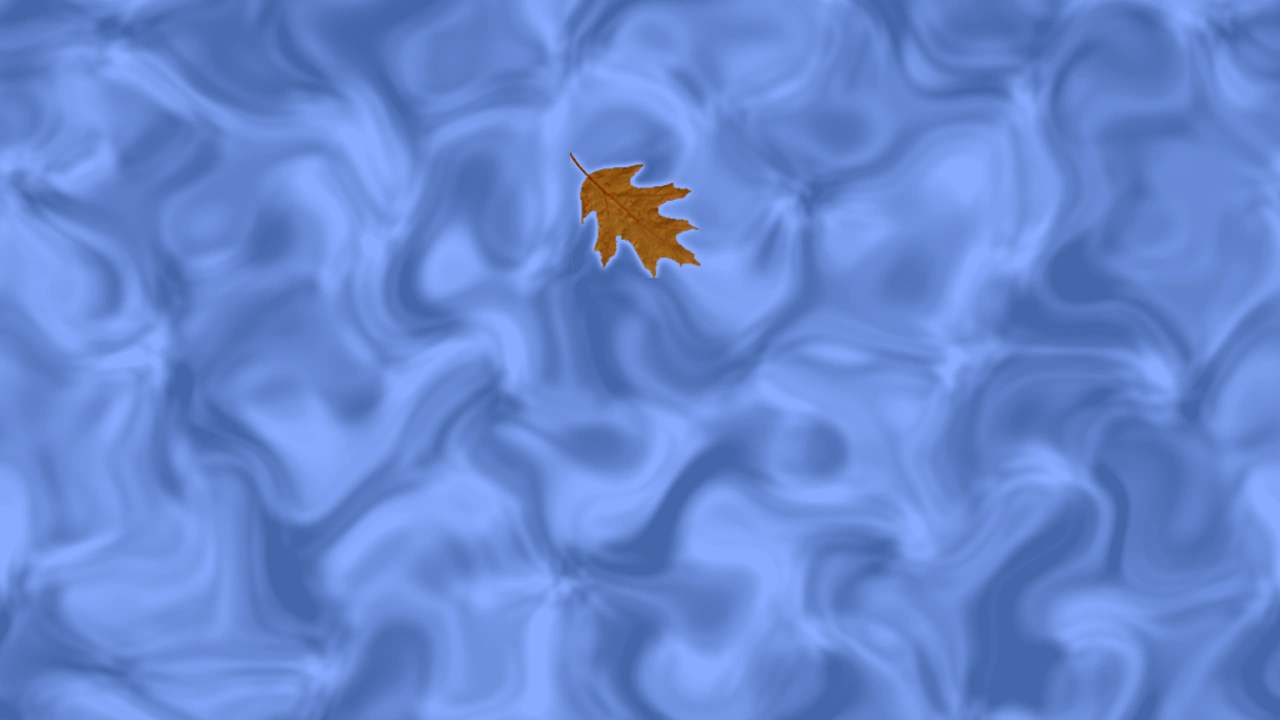 Hash Simplex Noise MovementDemonstrates how to use Hash Simplex noise to generate organic, fluid motion and rotation for a sprite, creating a natural wind-blown effect.