


Phaser AE v2.6 is available now and is already live in the Phaser Game Agent. Every new game you create uses it automatically, while existing projects stay on the version they were built with.
This release is all about making vector games feel like complete games instead of technical demos. You can now build solid, colourful vector worlds instead of endless wireframes, create complex objects from reusable parts, and use a UI system that finally behaves exactly as you'd expect.
Solid vector graphics
Classic vector arcade games were built around glowing outlines because that was all the hardware could draw. They looked incredible, but they also came with obvious limitations.
Not anymore.
Every vector shape can now have a filled face while keeping its glowing outline, giving you the best of both worlds: authentic vector aesthetics with far more readable, modern visuals.
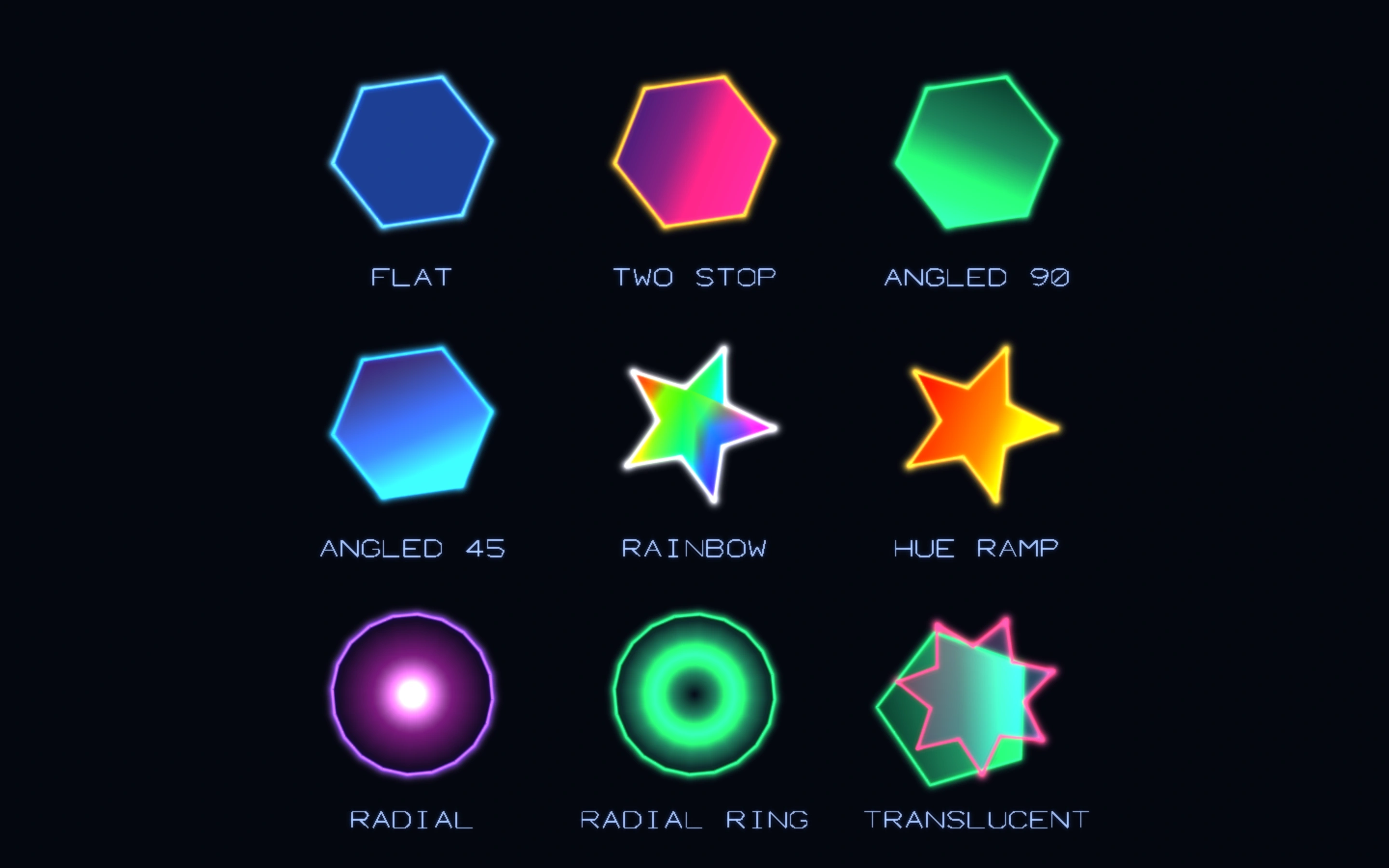
Choose from flat colours, gradients, radial fills, rainbow ramps or translucent materials. Because fills are generated directly from the shape geometry, they rotate and scale perfectly without textures or extra rendering overhead.
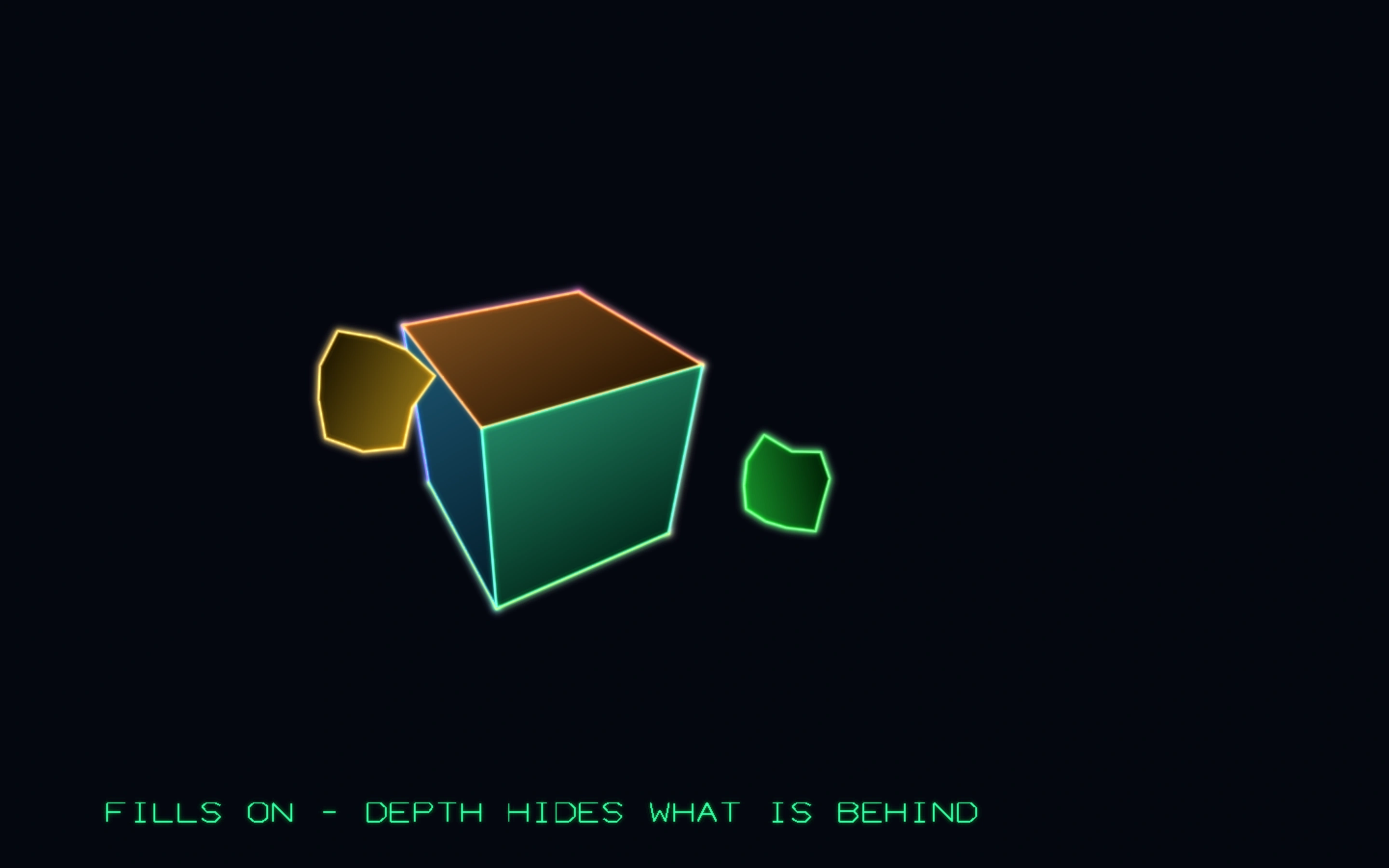
Shapes also support depth sorting, so objects naturally overlap one another.
Build objects from reusable parts
Real game objects aren't single outlines. They're made from pieces.
A tank has a turret. A car has wheels. A turtle has a shell and flippers.
Shapes can now be built from multiple independently positioned parts, each with their own outline, fill and colour, while still behaving as a single game object.
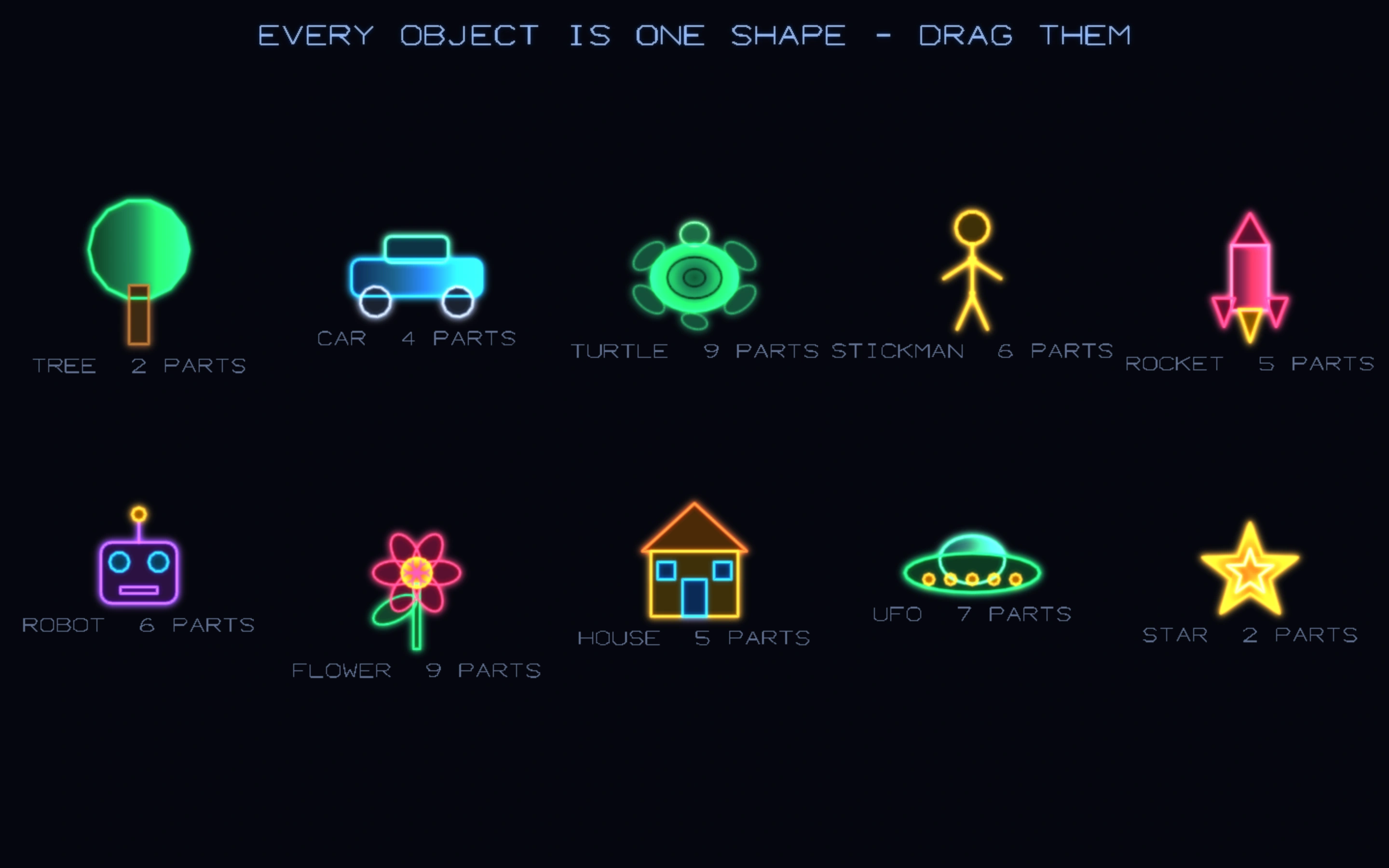
Ten built-in primitive shapes are included, from circles and capsules to stars and polygons, along with an irregular asteroid generator that's perfect for classic arcade games.
Authentic vector rendering
The renderer still captures everything that makes vector displays special.
Glowing line ends, variable beam intensity, smooth transparency and crisp stroked text all remain, helping games feel like they're running on real vector hardware rather than simply drawing thin lines.
Vector text
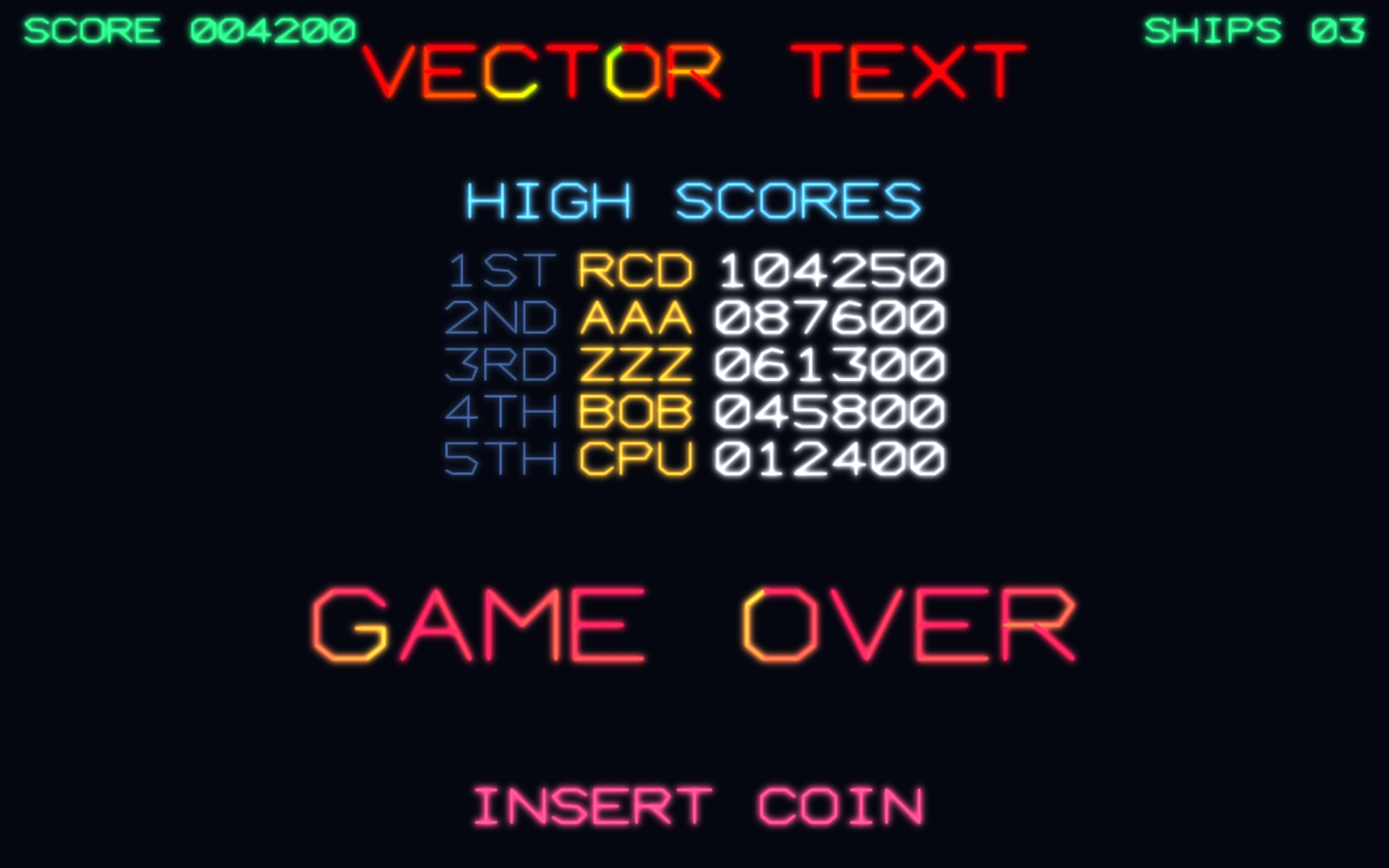
Text uses the same renderer as every other shape, so it inherits glow, line width, gradients and animation automatically.
It can also become geometry itself, letting you fly, rotate, shatter or animate text just like any other object in your game.
Beyond Asteroids
This release isn't just about drawing prettier rocks.
Phaser AE now includes systems for recreating many of the classic vector arcade genres.
Tempest-style tubes
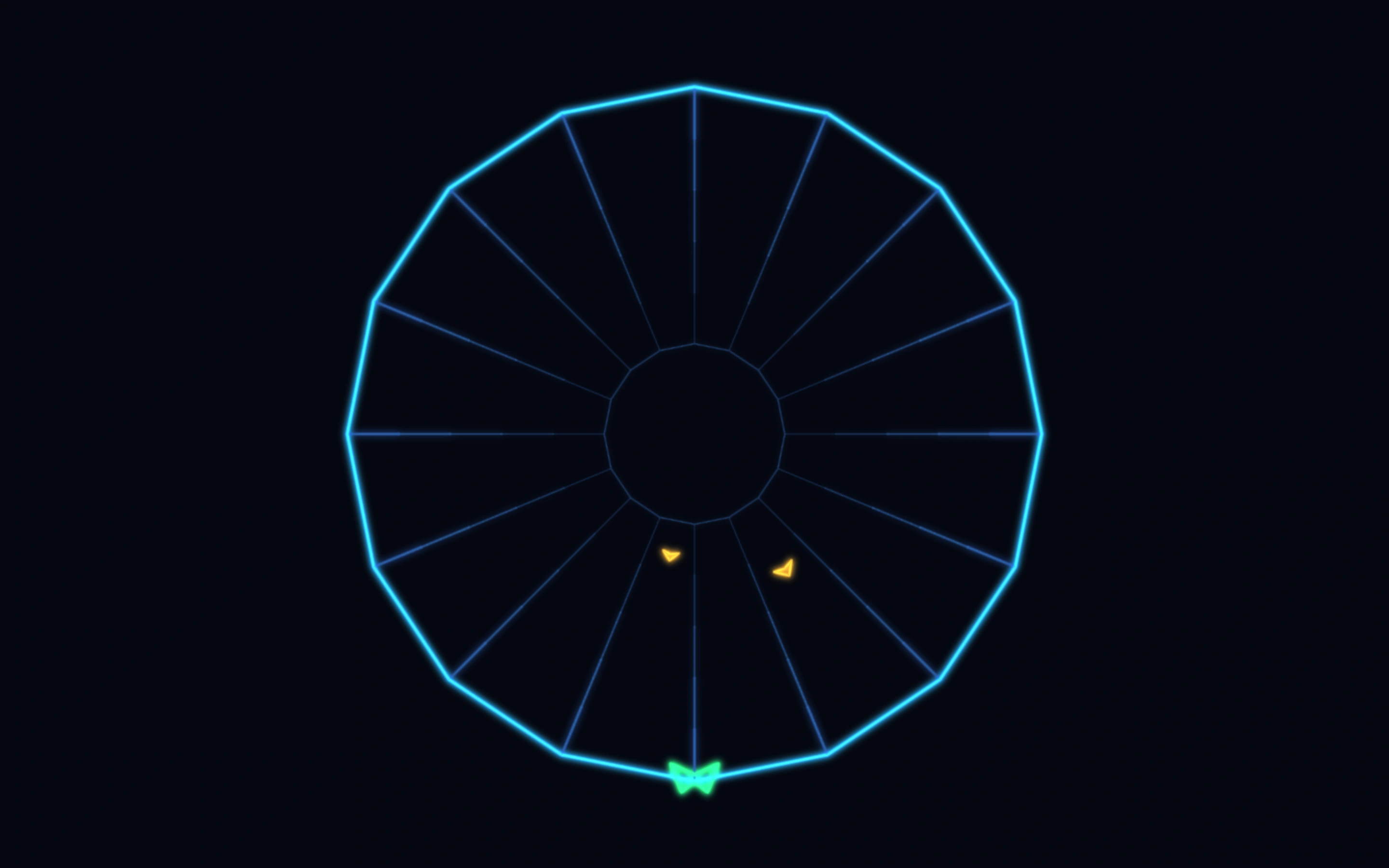
Build complete tube playfields with a single call, complete with continuous lanes, enemy movement and perspective.
First-person wireframe worlds
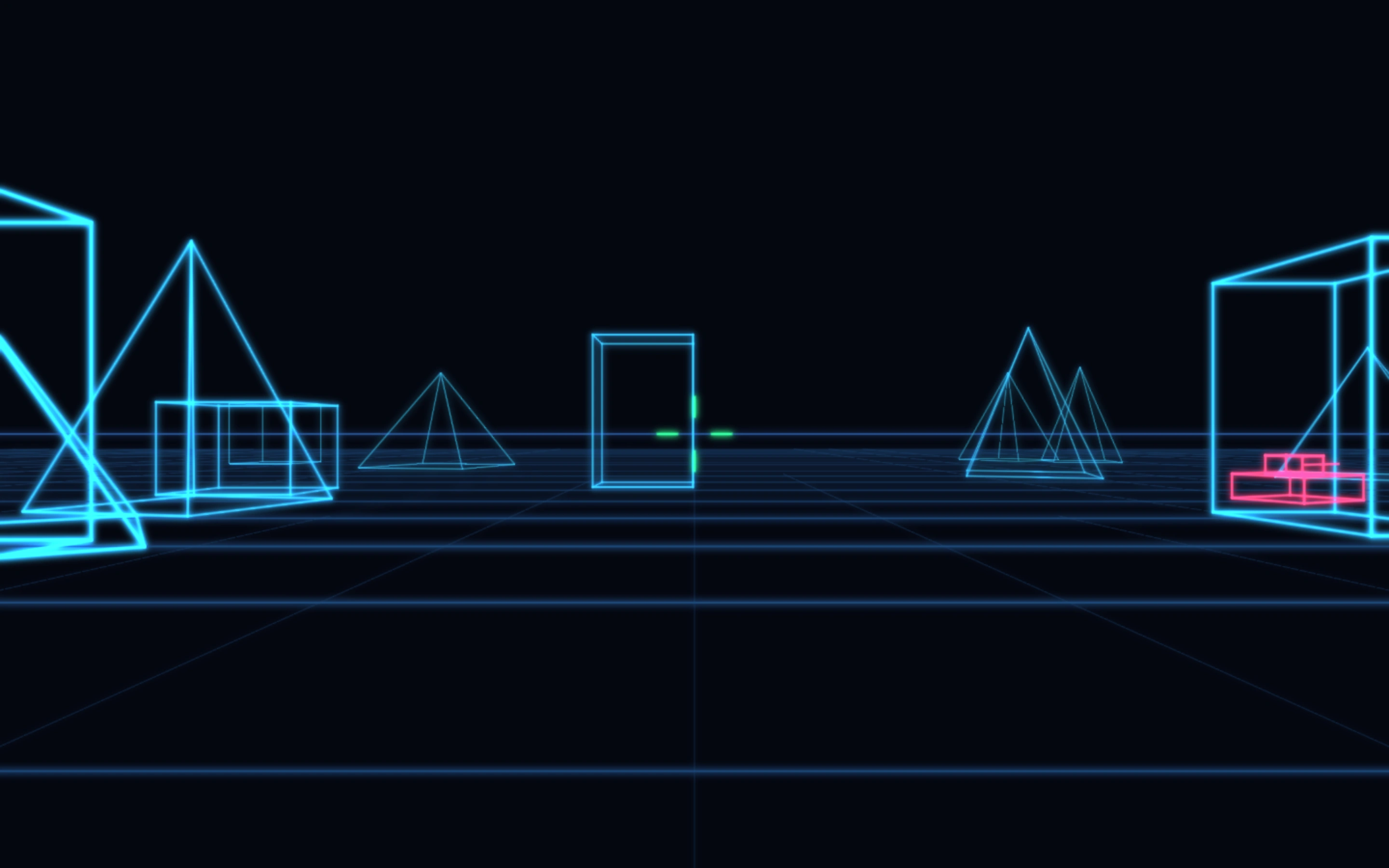
Create Battlezone-style environments with automatic perspective, depth fading and clipping.
Physics
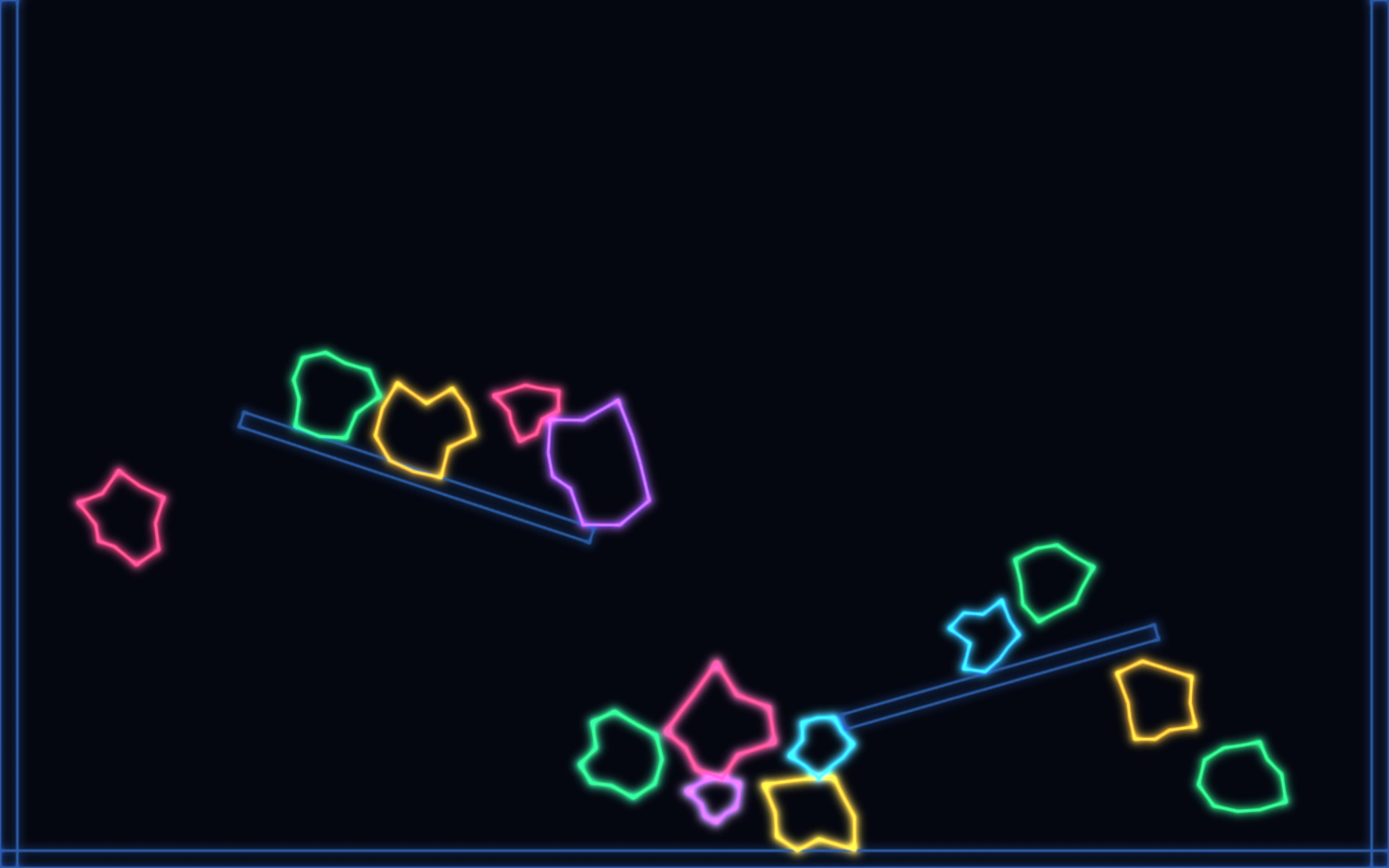
Box2D integrates directly with vector geometry, including complex concave shapes, and even the debug renderer matches the vector aesthetic.
Classic arcade gameplay
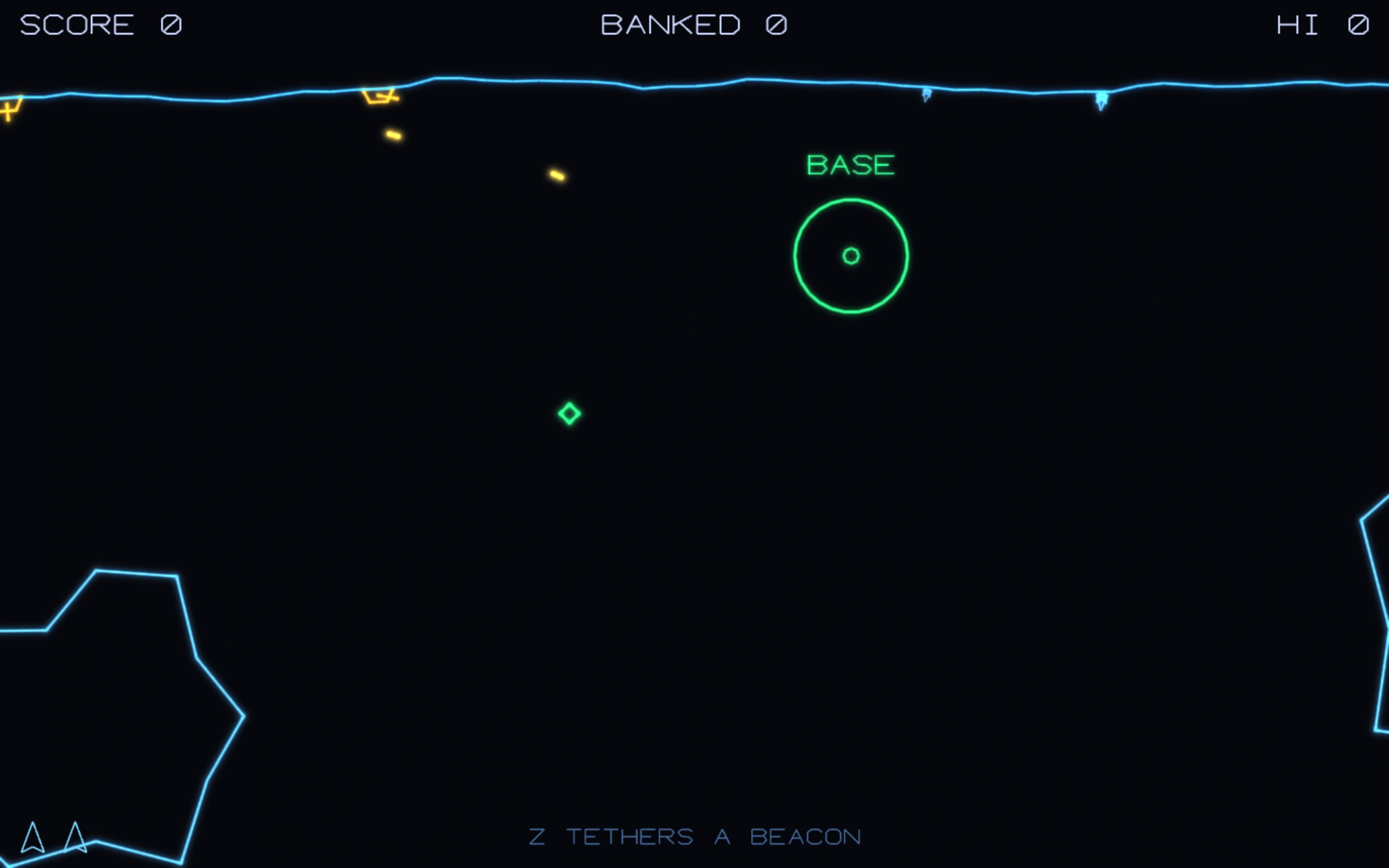
Five gameplay packs are included, covering everything from Asteroids and Gravitar to Battlezone and Tempest. Alongside them are thirty-four fully worked examples that you can explore, modify and build upon.
Interface rendering that finally behaves
The second major improvement is much less glamorous—but you'll notice it immediately.
Buttons now always draw their captions above the button.
Dialogs properly cover the interface beneath them.
Dropdowns, windows and overlays all stack correctly without requiring any manual ordering.
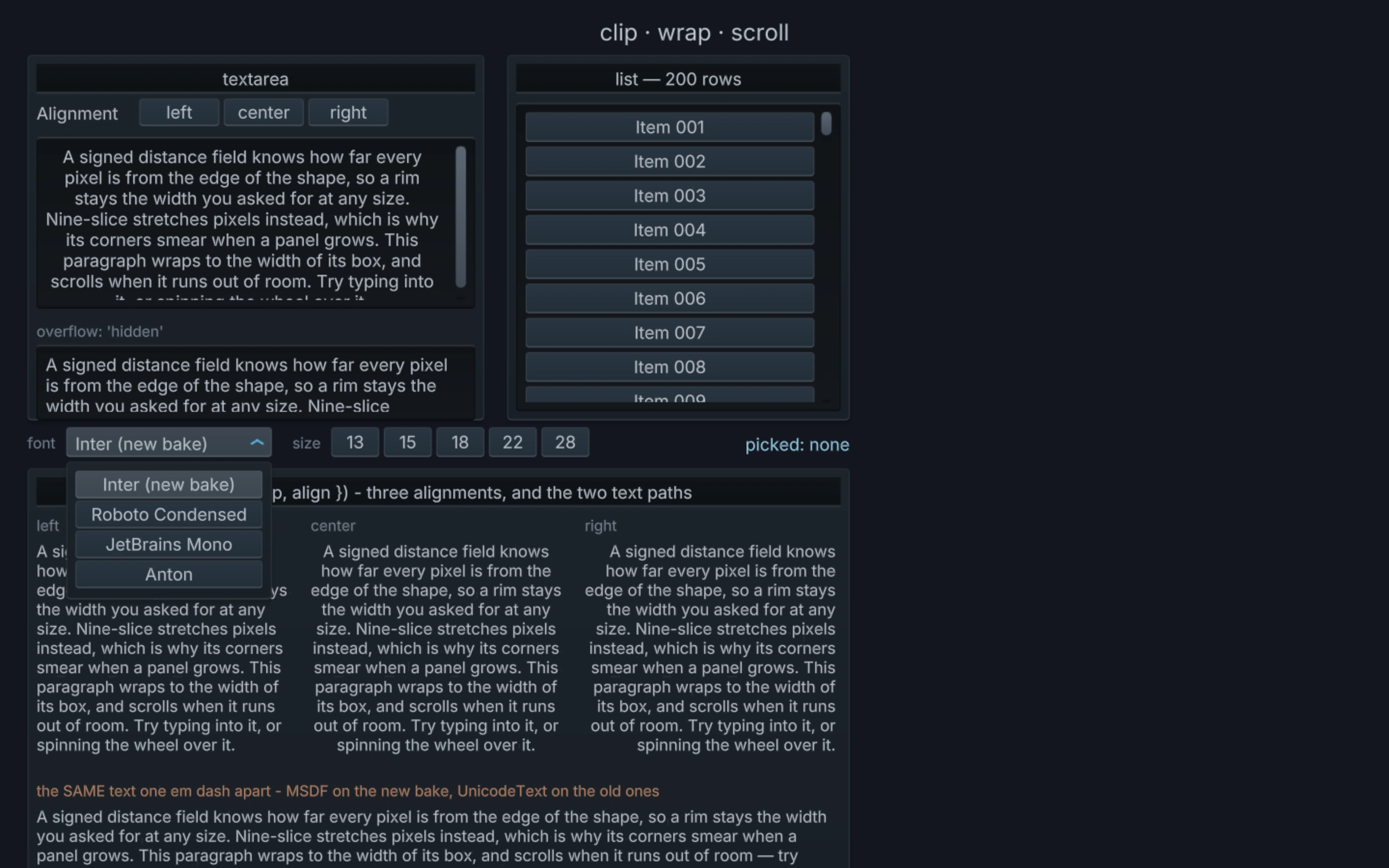
The result is a UI that behaves exactly as you'd expect, whether you're building a simple settings screen or a complex editor.
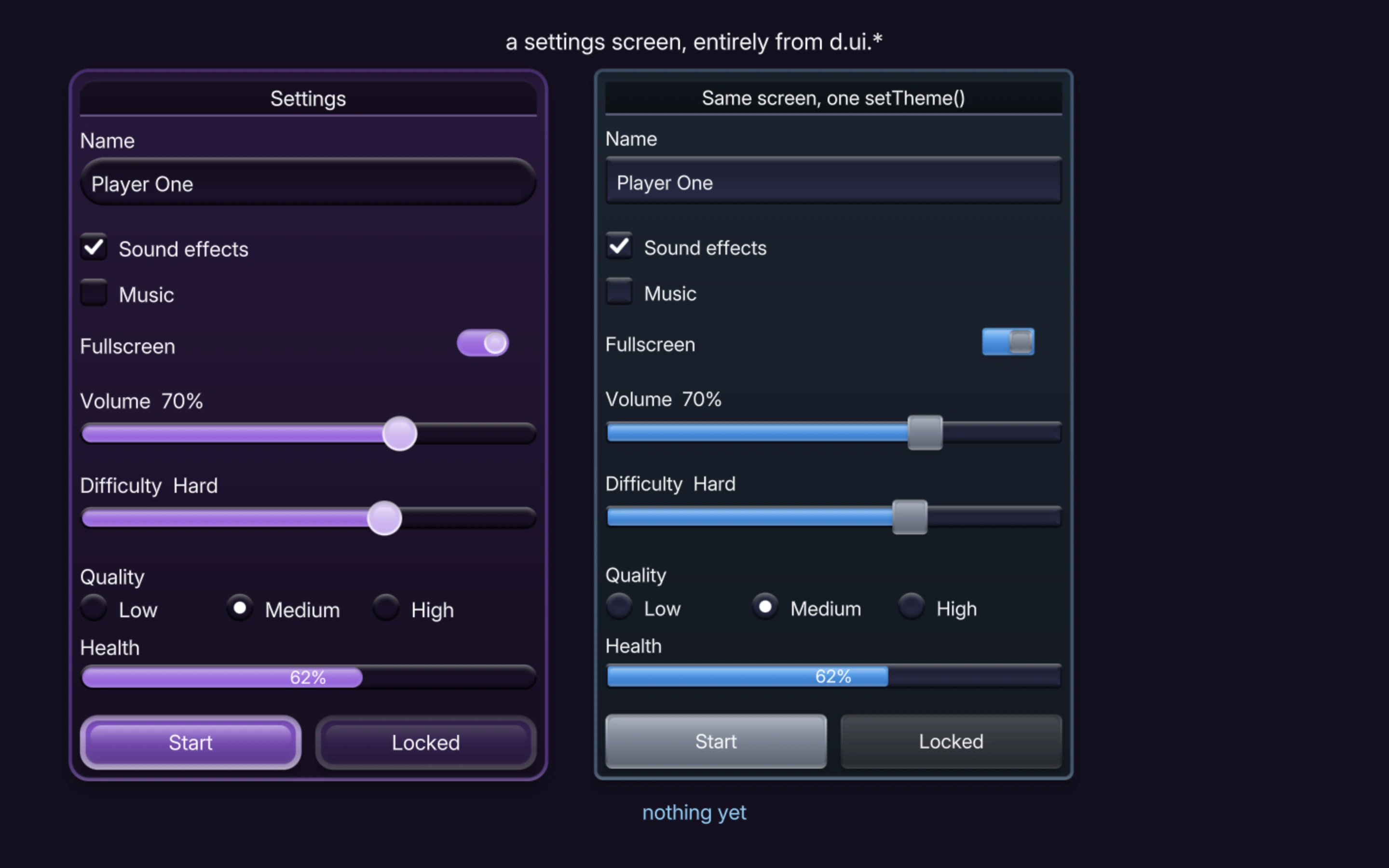
Nothing new to learn—everything just renders in the right place.
What you can ask for now
"Make an Asteroids game where the rocks are solid instead of wireframes."
"Build a Tempest-style tube shooter."
"Create a Battlezone-inspired first-person vector tank game."
"Give me a vector arcade attract screen with a high score table that shatters when I press Start."
"Add a settings dialog that opens cleanly over the game."
The Phaser Game Agent understands all of these requests. No sprites, texture atlases or image files required—everything is generated directly from geometry at runtime.