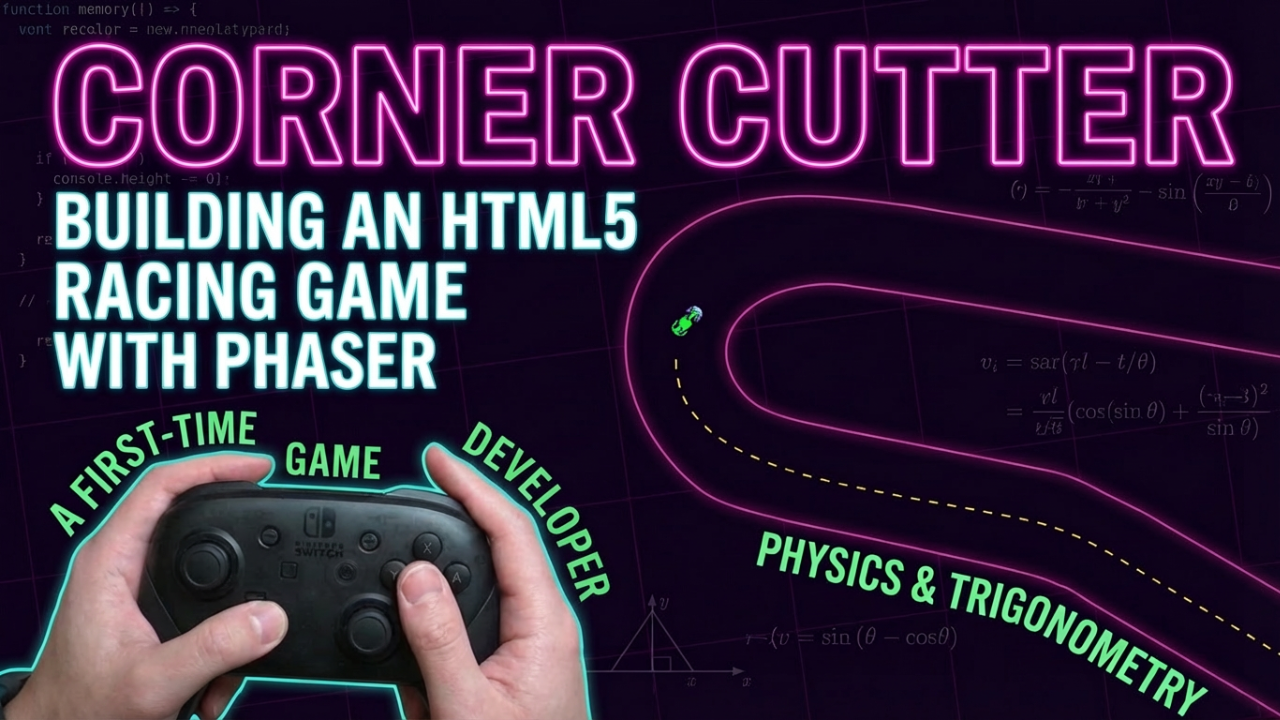




What happens when a web developer with years of driving experience decides to build their first game? You get Corner Cutter — a browser-based racing game built entirely with Phaser, driven by a genuinely clever physics concept and a lot of trigonometry.
Frank from Happy Coder documented the whole journey on YouTube, and it's a great watch for anyone curious about what first-time game development with Phaser actually looks like in practice.
The idea behind the game
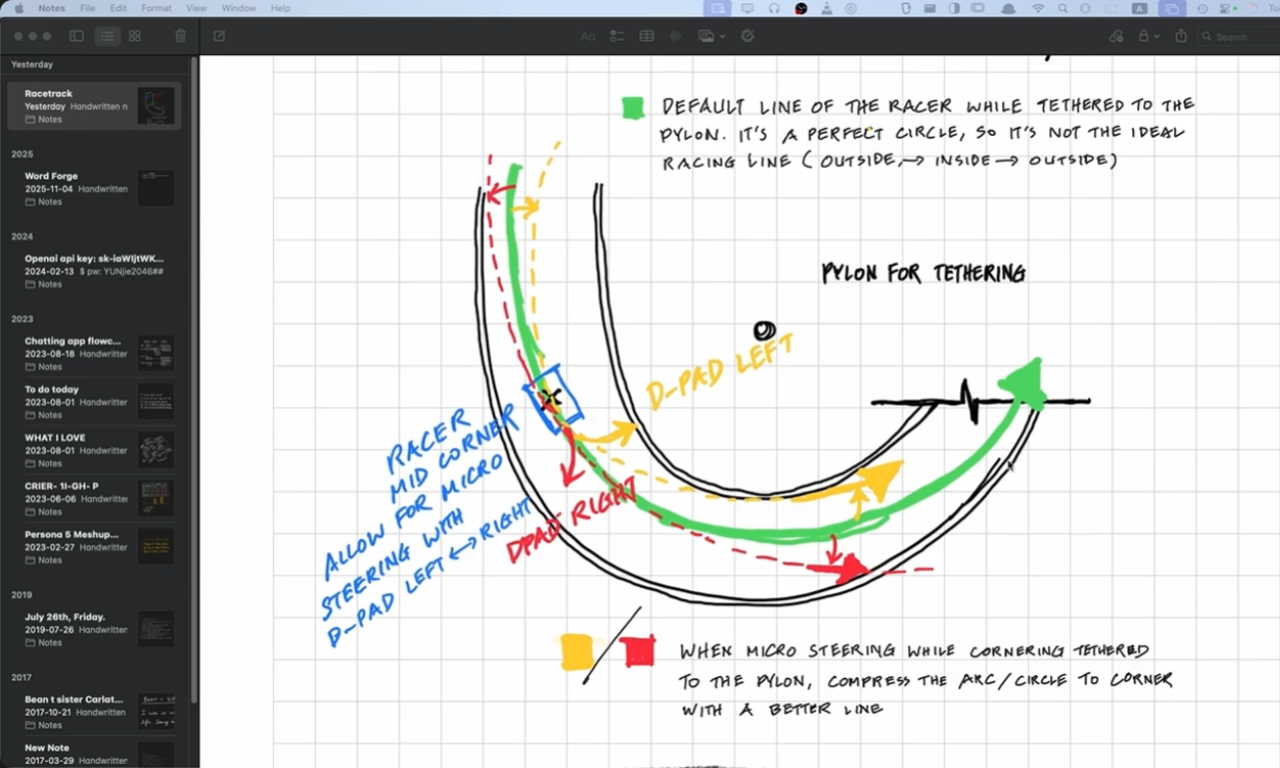
Corner Cutter is built around a real motorsport concept: the optimal racing line. Frank's insight is that when cornering at speed, you can think of your car as a weighted object swinging through a bend while tethered to an anchor point. The strength of the rope represents your tire grip — too slow and you're wasting it, too fast and you snap it and spin out.
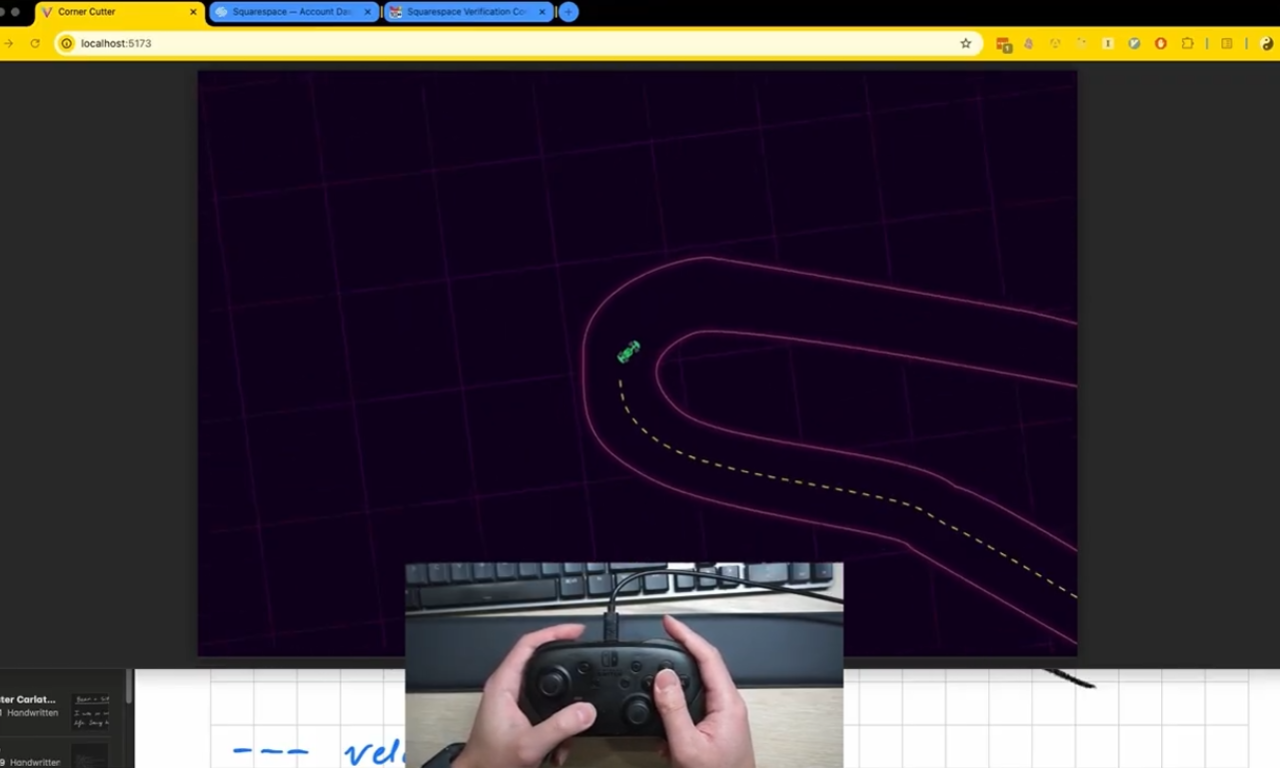
The game translates this directly into mechanics. At each corner, a pylon acts as an anchor. Players tether to it, swing through the bend, and score points for hitting the classic racing line: enter wide, brush the apex, exit wide.
How Phaser made it possible
As a web developer, Frank's natural pick for the tech stack was Phaser with TypeScript, a browser-first, JS-compliant game framework that let him work in familiar territory while learning the ropes of game development. The result runs entirely in the browser, no installs needed.
Most of the development time went into the math: trigonometry and basic calculus to calculate vehicle heading, arc radius, and corner geometry. Phaser handled the rendering and game loop, letting Frank focus on the core mechanics.
Iteration by iteration
The first prototype used simple rectangular boxes as a racetrack. By the second iteration, Frank had introduced micro steering, a system that lets players make small adjustments mid-corner using a D-pad, compressing or flattening the swing arc for more precise racing lines. The latest version features a neon vaporwave aesthetic, a custom SVG car, and a real Japanese touge used as the track layout.
It's a textbook example of how Phaser enables rapid prototyping: each iteration building meaningfully on the last, all running natively in the browser.
Try it yourself
The demo is live at corner-cutter.com, and Frank is actively developing the game further. If you want to follow along, there's a newsletter on the site and the full devlog video is well worth your time.
Watch the full devlog
See the prototypes in action and get the full breakdown of how Corner Cutter was built with Phaser.