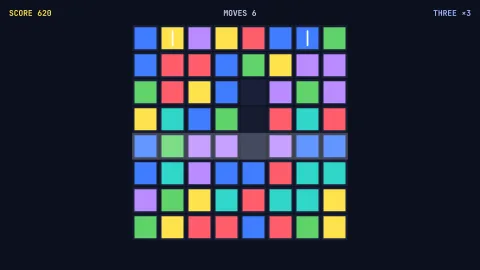

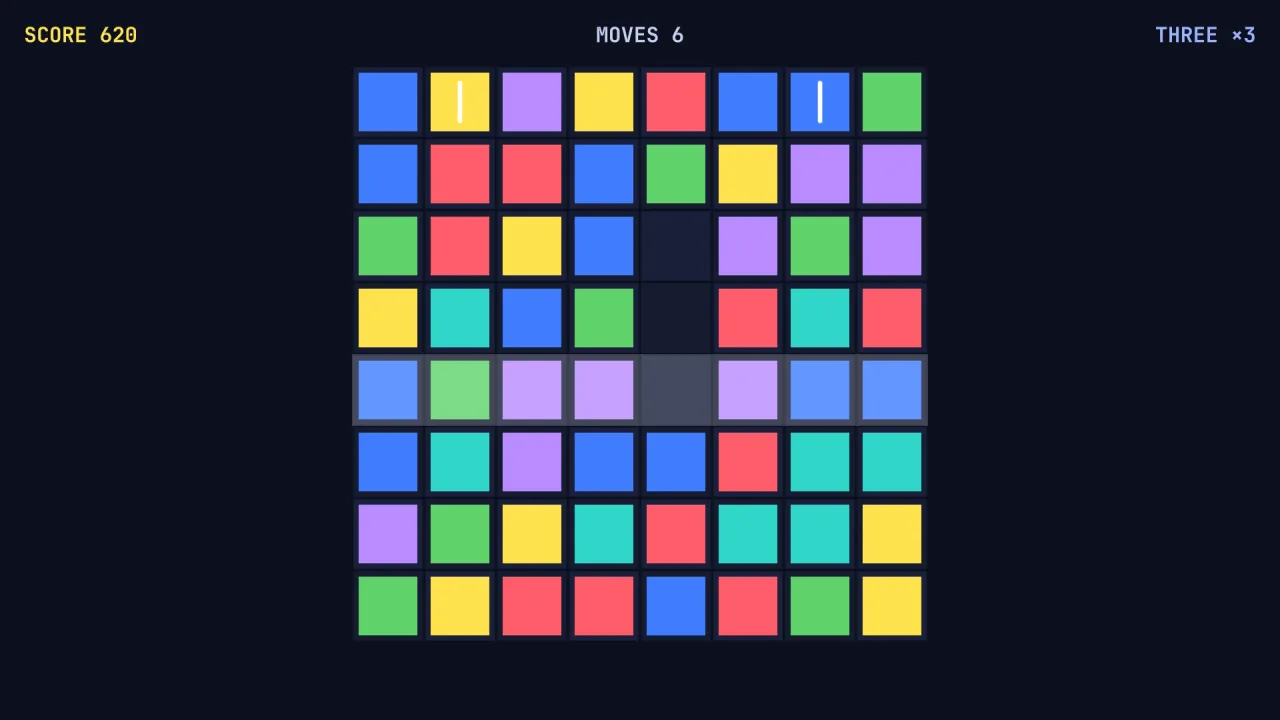
What it does
You create a board from a configuration and hand it the player's move. The board works out everything that follows,
the match, the special it makes, the detonations, the clears, the tiles falling and the new ones dropping in, the next
cascade and the one after that, and returns the whole sequence as a list of steps: match, specialSpawn,
detonate, clear, fall and so on. Your game plays those steps back with whatever animation it likes. The rules
are finished before the first tile moves, so timing bugs between logic and animation simply do not arise.
Because a move is resolved instantly and the state is plain data, the expensive extras of a puzzle game come almost free. The board can list every legal move with the value it would score, so a hint button is one call. A snapshot and a restore give you undo, and let a solver or a self-play test try moves and take them back. Dead boards reshuffle themselves, and everything is deterministic from a seed, so a level plays the same way every time it is tested.
The pack is pure logic and runs headless. It draws nothing itself, which means it fits any art style, 2D or 3D, and can be tested and balanced without a screen.
Features
- Five ways to move — swap two tiles, tap a group, drag a path through matching tiles, rotate a 2×2 block, or shift a whole row or column with wraparound.
- Specials and combos — four-in-a-row, L, T, cross and five-line shapes make row and column clears, blasts, colour clears and seekers, classified by the standard priority, and two specials swapped together combine through a combination table you can change.
- A journal of steps — every move returns its steps in play order, with totals for matches, chain depth, specials made and fired, score, and progress towards each goal.
- Layered obstacles — damage on the cell beneath, on the block itself and on an overlay on top, plus spreaders, bombs with fuses and ingredients to bring down to an exit.
- Shaped boards — holes, conduits, conveyors, portals and spawners, laid out from a few rows of text.
- Goals and move limits — score targets, clear a colour, clear tagged blocks, layers or overlays, collect ingredients or fire specials, with the change each move made to every goal.
- Boosters — row and column clears, blasts, a hammer, paint, a shuffle and a free swap, as actions on the board.
- Planning tools — every legal move ranked by value, a best hint, an autoplay loop for testing, and snapshot and restore for undo and search.
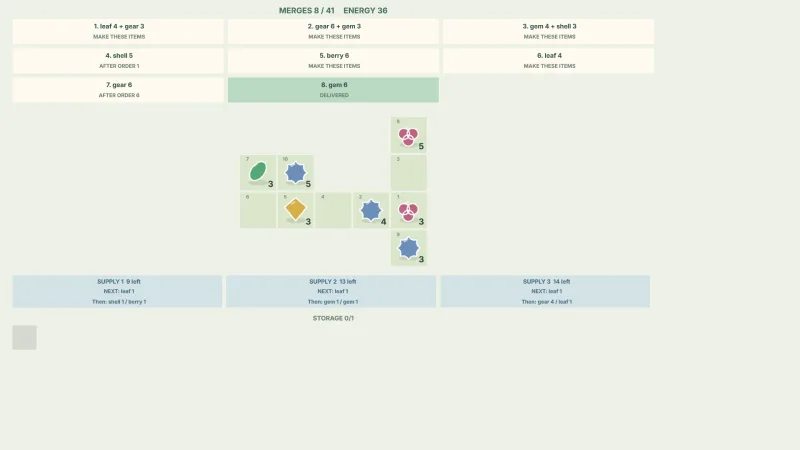
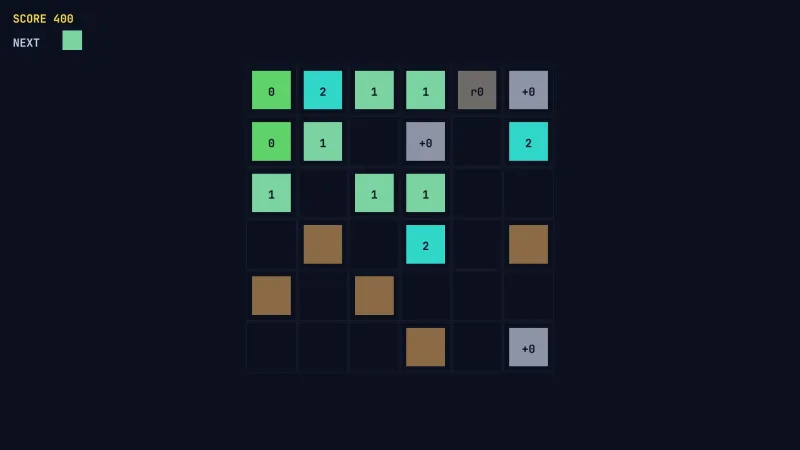
- Several games in one — the match-3 preset, a collapse preset for tap-a-group games, a chain preset for drawn paths, and a merge mode where matches level tiles up instead of clearing them.
- Deterministic — the same seed and moves always produce the same board, for replays, daily puzzles and tests.
Good for
- Classic swap-to-match puzzles with specials, cascades and level goals, in the style of Bejeweled or Candy Crush.
- Level-based puzzle sagas that need obstacles, shaped boards, move limits and goals per level.
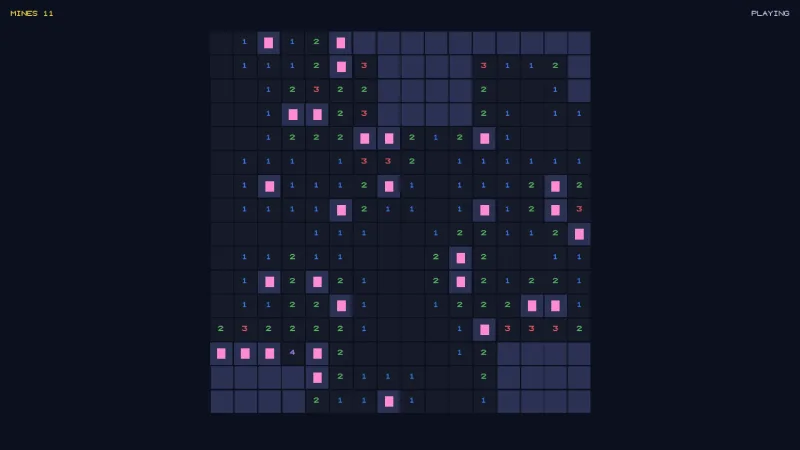
- Tap-a-group games in the style of SameGame or Collapse, with the collapse preset.
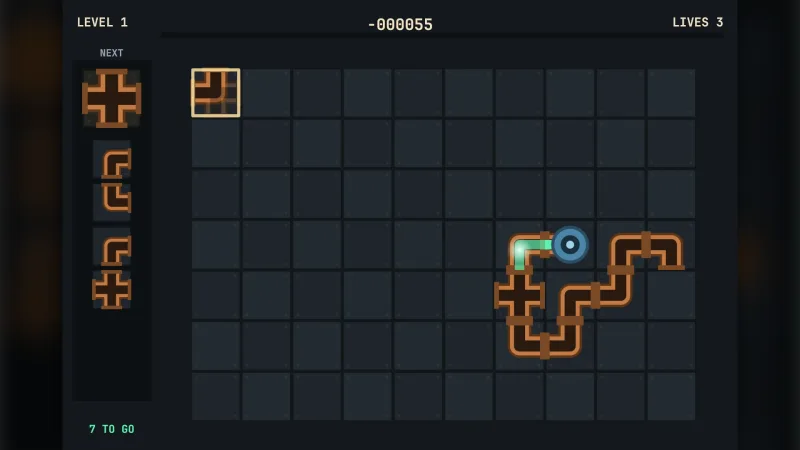
- Connect-the-dots games where the player draws a line through matching tiles, as in Two Dots, with the chain preset.
- Puzzle battles and RPG boards, where a board's matches drive attacks and abilities and the journal tells the battle what happened.
- Merge puzzles, where matching three tiles levels them up rather than clearing them.
Make it yours
Nearly everything is configuration. Board size and colours, the layout and its holes, conveyors and portals, which shape makes which special, what two specials do together, the spawn weights, the scoring and the goals are all part of the board's config, so a new level is new data rather than new code. Rules can be turned on and off: diagonal sliding, horizontal collapse, square matches, swapping anywhere, free rotations and shifts, or whether conveyors and fuses run after each move.
The same pack builds very different games. A classic eight-by-eight swap board with five colours and score goals is one configuration; a collapse board where the player taps groups of three or more and the columns close up is another; a merge board where three matching tiles fuse into the next tier is a third.
A quick look
A board with specials and a goal, and a move played and presented:
import { createBoard } from '@phaser-ae/match3';
const board = createBoard({
  cols: 8, rows: 8, colors: 6, seed: 4,
  specialSpawns: { four: { kind: 'rowClear' }, L: { kind: 'blast', radius: 1 }, five: { kind: 'colorClear' } },
  goals: [{ type: 'clearColor', color: 2, count: 30 }], moveLimit: 25,
});
const result = board.swap({ x: 3, y: 4 }, { x: 4, y: 4 });
for (const step of result.steps) await present(step);   // match, specialSpawn, detonate, clear, fall…
Works with
tweenandparticles-2d— to animate the steps: tiles sliding and falling, and bursts when they clear.place-merge— for games where tiles are placed and merge, rather than swapped.rise-stack— for a real-time stack that rises from below while the player matches.faller— for games built on falling pieces.
Good to know
- A move resolves instantly and there is no game clock in the board; a real-time rising stack is
rise-stack. - The pack draws nothing: your game presents the steps, which is what lets it suit any art style.
- Cascades stop after 256 rounds and a chain reaction of specials after 64 waves, so a custom special that keeps triggering itself is cut off rather than looping for ever.
- A snapshot holds the board's state but not its configuration, so restore it into a board built from the same config.