
The pack
plateStack
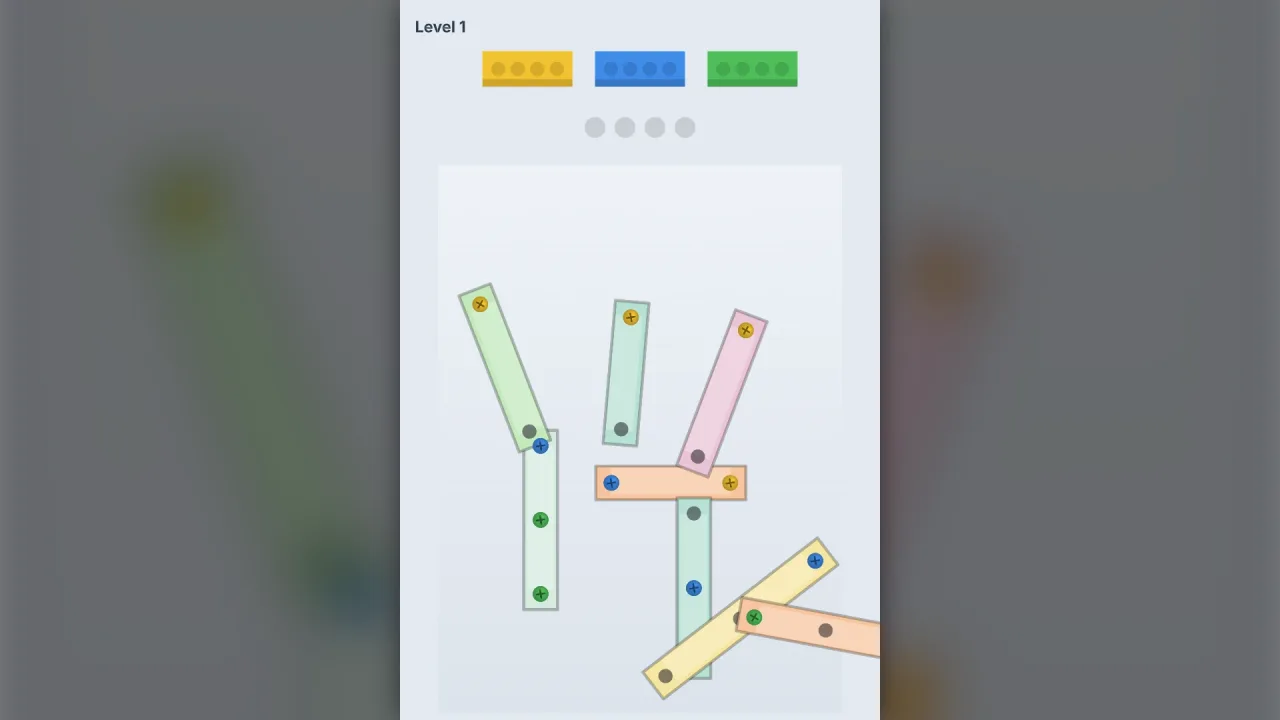
function plateStack(): Pack<{ plateStack: PlateStackApi }>The plate-stack pack: game.plateStack, plates and screws on a physics-2d world of their own.
Functions
createPlateStack
function createPlateStack(spec: PlateStackSpec): PlateStackMake a stack. Throws, listing every problem, on a spec validatePlateStack refuses.
insidePolygon
function insidePolygon(x: number, y: number, points: ReadonlyArray<readonly [number, number]>): booleanWhether a point is inside a polygon (even-odd).
validatePlateStack
function validatePlateStack(spec: PlateStackSpec): string[]Check a stack and say what is wrong with it, as plain sentences; empty when it can be used.
Types
BoardHole
interface BoardHoleA hole in the board, where a screw can sit.
id: string— Its id.x: number— Where it is, across.y: number— Where it is, down.
PlateSpec
interface PlateSpecA plate: a polygon on a layer, with holes screws can pass through. Coordinates are where it starts, y down.
id: string— Its id.layer: number— Its layer: higher lies over lower. Plates on one layer should not overlap.points: ReadonlyArray<readonly [number, number]>— Its outline, any polygon (concave is fine), in board units.holes: ReadonlyArray<readonly [number, number]>— Its holes, in board units.colour?: string— Its colour, for drawing.
PlateStack
interface PlateStackThe plates and screws, live.
readonly world: World— The physics world, for a presenter or a test.step(dt: number): void— Advance bydtseconds: plates pivot and fall.covered(screw: string): boolean— Whether a screw is covered: a plate on a higher layer than every plate it fastens lies over its head.remove(screw: string): boolean— Take a screw out. False when it is covered or out already.place(screw: string, hole: string): boolean— Put a screw that is out into a free hole, fastening the plates with a hole over it. False when it cannot go.move(screw: string, hole: string): boolean— Move a screw from its hole to a free one: take it out (it must not be covered) and put it in.free(hole: string): boolean— Whether a hole can take a screw: none is in it, and no plate's solid part lies over it.freeHoles(): string[]— The holes that can take a screw.plates(): PlateView[]— The plates as they are now.screws(): ScrewView[]— The screws as they are now.holes(): readonly BoardHole[]— The board holes.drain(): PlateStackEvent[]— What happened since the last drain, oldest first.
PlateStackApi
interface PlateStackApiWhat the plate-stack pack adds to a game: game.plateStack.
create: typeof createPlateStack— Make a stack of plates and screws.validate: typeof validatePlateStack— Check a stack; empty when it can be used.inside: typeof insidePolygon— Whether a point is inside a polygon.
PlateStackEvent
type PlateStackEvent = | { kind: 'out'; screw: string } | { kind: 'in'; screw: string; hole: string; plates: string[] } | { kind: 'pivot'; plate: string; screw: string } | { kind: 'fall'; plate: string } | { kind: 'gone'; plate: string }What happened, for the rules and the presenter.
PlateStackSpec
interface PlateStackSpecA stack: the board, its holes, the plates and the screws.
width: number— The board's width.height: number— The board's height. A plate that falls below it is gone.gravity?: number— Gravity, units per second squared, down. Default 900.holes: BoardHole[]— The board's holes.plates: PlateSpec[]— The plates.screws: ScrewSpec[]— The screws.tolerance?: number— How near a plate's hole must be to a board hole to be fastened there. Default 12.
PlateView
interface PlateViewA plate as it is now.
id: string— Its id.layer: number— Its layer.colour?: string— Its colour.points: [number, number][]— Its outline now, in board units.holes: [number, number][]— Its holes now, in board units.screws: string[]— The screws that fasten it.state: 'held' | 'pivot' | 'falling' | 'gone'—'held'(two screws or more),'pivot'(one),'falling'(none),'gone'(fallen off the board).x: number— Its centre and turn now.y: number— Its centre and turn now.angle: number— Its turn now, radians.
ScrewSpec
interface ScrewSpecA screw, in a board hole.
id: string— Its id.hole: string— The board hole it is in.colour?: string— Its colour, for rules that sort by colour.
ScrewView
interface ScrewViewA screw as it is now.
id: string— Its id.colour?: string— Its colour.hole: string | null— The hole it is in, or null once taken out.x: number— Where it is (its hole's place, or where it was).y: number— Where it is, down.plates: string[]— The plates it fastens.covered: boolean— Whether a plate on a higher layer lies over its head.